The agricultural sector contributes 6.6% to North Macedonia’s national GDP, making small and medium-sized agri-businesses a key component in shaping the economy. IMPETUS, a local Global Cyber Alliance (GCA) partner, has conducted a mapping and analysis of the digital skills gap in the agri-food sector, showcasing the need for a strategic and multi-stakeholder approach to close that gap and for training, research collaboration, policy alignment, and financial support.
The analysis shows that the Macedonian agri-food sector lacks sufficient technology professionals. Those present are most often engaged on a short-term basis, and while vocational education and training (VET) schools provide ad-hoc training on modern agricultural technologies, they cannot provide continuous or updated curricula about general cybersecurity.
To remain competitive and comply with European sustainability standards, the Macedonian agri-food sector must develop and integrate digital skills in education systems, foster partnerships between educational institutions and industry, increase funding for vocational training centers in rural areas, and establish a skills observatory.
Agri-businesses cannot actively or fully contribute to the digital economy without undergoing a digital transformation and harnessing modern skills. Understanding basic cyber hygiene allows agri-sector businesses to safely navigate the Internet and use it to their advantage.
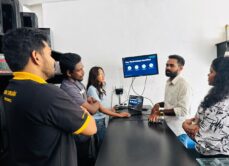
The Global Cyber Alliance teamed up with IMPETUS to provide information to agri-sector businesses from North Macedonia about available cybersecurity tools and basic cybersecurity hygiene resources, within the framework of IMPETUS’ regional SMART LABOUR project. This webinar, the first of its kind in the country and region, guided 30 agri-sector representatives through the basic steps of cybersecurity hygiene using GCA’s free Cybersecurity Toolkit for Small Business. The toolkit offers actionable guidance and tools with clear direction to prevent and mitigate the increasing volume of cyberattacks.
The Cybersecurity Toolkit for Small Business includes free tools and resources that address specific cybersecurity areas. The participants learned basic cybersecurity terminology and were provided with guided steps on how to protect themselves from identity theft, malware, phishing scams, ransomware attacks, and email spoofing.
Participants raised important questions on topics like encryption and risk assessment. Webinar hosts highlighted the importance for businesses to first understand what they have, so they can know what they need to protect, discern the most sensitive and fragile data like payroll, HR, and customer data, and steps to encrypt the most critical business data.
The key message was to keep cybersecurity top-of-mind in their everyday activities so it becomes part of their daily operational business practice. The importance of due diligence and doing a risk assessment of their vendors’ and partners’ systems is an integral segment of their cybersecurity practice to improve their cybersecurity posture.
The Global Cyber Alliance, a nonprofit organization, is proud to assist and help small and medium-sized businesses from various sectors across the world learn how to protect themselves and take action. When people and organizations understand their cyber risks, know what steps to take to mitigate them, and have the confidence to implement the relevant tools and processes, economies and societies benefit as a whole.
“Cybersecurity is a critical part of protecting the future of agriculture. From equipment to supply chains, the systems we rely on are increasingly digital and vulnerable. This webinar was a step toward helping agricultural communities in Macedonia build resilience and stay ahead of evolving threats,” said Brian Cute, Chief Operating Officer and Director of the Capacity & Resilience Program at the Global Cyber Alliance.