
Research Reports & Publications
We advance cybersecurity knowledge by providing timely, accessible research and reports.
Explore our latest report.
Consumer Cyber Readiness Report 2026
Consumer Reports (CR), along with Aspen Digital and the Global Cyber Alliance, released the fifth annual Consumer Cyber Readiness Report, marking the beginning of Cybersecurity Awareness Month. This report examines how American consumers view and manage their digital security while providing new insights into the rise of digital scams and fraud.
“It’s moderately encouraging that many people are using some type of multifactor authentication (60%) and strong passwords (44%). We need those numbers to keep increasing. But the report’s statistics point to something bigger: personal precautions alone can’t stop the abuse coming from upstream via insecure routing and maliciously registered domain names. Closing those gaps takes industry, government, and philanthropy working together, and that collaboration is as essential to a safer Internet as any password or security patch,” said Brian Cute, President and CEO of the Global Cyber Alliance.
Other GCA Reports
Strengthening Trust on the Internet: Protecting the Global Postal Sector from Email Fraud
Postal operators are prime targets for phishing because their brands are trusted. A convincing spoofed email can therefore be enough to prompt someone to click a malicious link or disclose sensitive information. That makes the Internet infrastructure supporting postal services—including the systems used to authenticate email—as important to protect as the physical networks that move mail and packages around the world.
DMARC (Domain-based Message Authentication, Reporting and Conformance) provides a free, open standard for protecting domains against email spoofing and impersonation. A recent benchmark study by DMARC Manager assessed DMARC adoption across all 191 Designated Postal Operators worldwide and found that 81% are not fully protected against email spoofing. This report examines the findings, the threat landscape behind them, and the practical steps postal operators can take toward full DMARC enforcement.
Internet Integrity Workshop III: Residential Proxies and Infected Infrastructure
The Internet Integrity Workshop III examined the abuse of residential proxy networks, which have grown to an estimated 100–200 million exit nodes globally, generating aggregate capacity in the hundreds of terabits per second. These networks — built on compromised consumer devices, supply-chain-implanted malware, and uninformed Software Development Kit (SDK) consents — are increasingly used for AI training and are enabling attacks that range from credential stuffing to nation-state intelligence gathering.
This report summarizes the workshop discussions and identifies five possible longer-term directions for the community that flow directly from the workshop findings. These represent areas where sustained, collective effort — across operational, research, policy, and civil society actors — is needed to produce a durable change.
The Unspoken Guardians of the Internet: Why Non-Profit Cybersecurity Matters for Public Safety and Global Resilience
A report from the Hague Centre for Strategic Studies reinforces the importance of organizations like the Global Cyber Alliance in the global cybersecurity ecosystem.
The report, The Unspoken Guardians of the Internet: Why Non-Profit Cybersecurity Matters for Public Safety and Global Resilience, examines the essential role nonprofit organizations play in strengthening cybersecurity, resilience, and trust across the Internet ecosystem. GCA is featured prominently throughout as a vital contributor to public-interest cybersecurity efforts and as an example of how nonprofit organizations fill critical gaps that neither governments nor the private sector can address alone.

Strengthening the Internet, Protecting People: 2025 Annual Report
Cybersecurity is no longer optional—it is fundamental to an Internet that underpins modern economic, social, and civic life. In 2025, threats accelerated in scale and sophistication, fueled by advances in artificial intelligence, persistent weaknesses in core infrastructure, and unequal access to basic protections. Individuals, nonprofits, small businesses, and governments were all expected to operate securely in digital environments they neither control nor fully understand. These realities reinforce a core truth that guides the Global Cyber Alliance: securing the Internet demands collective, coordinated action.
This annual report details how we translated that principle into measurable impact. From equipping individuals with practical tools to recognize scams and strengthen cyber hygiene, to supporting mission-driven organizations with targeted training and partnerships, to improving visibility into malicious activity and expanding the reach of MANRS, our work addresses both everyday risk and systemic vulnerabilities. We invite you to explore the report to see how sustained collaboration, responsible innovation, and practical action are building a more secure and resilient Internet.
Internet Integrity Workshop II
The world relies on a secure and stable Internet, including the services and applications offered over it. As malicious actors—individual, corporate, and state— increasingly attack the Internet and any infrastructure accessible from it, there is increasing scrutiny on the reliability and resiliency of Internet services at all levels.
At the Internet Integrity Workshop II — “Measurement for Action,” a recurring theme emerged: data alone does not create change, but well-designed, transparent, and relevant measurement can align incentives, support accountability, and strengthen community-driven norms.
This report captures the key insights, debates, and next steps from the workshop. It is intended for anyone working to improve Internet integrity who wants to better understand how measurement can become a practical tool for reducing risk and building a more secure, resilient Internet.

Salt Typhoon Across the Internet
The Global Cyber Alliance’s new report, “Salt Typhoon Across the Internet: What AIDE Honeypots Reveal About a Persistent State-Linked Campaign,” uses AIDE data to demonstrate Salt Typhoon’s operational characteristics through observable attack patterns spanning 2+ years.
Salt Typhoon has been publicly attributed to actors based in China and assessed as state-sponsored; AIDE’s findings focus only on behavioral evidence and do not directly attribute the activity to Chinese authorities.
Salt Typhoon is an active, evolving campaign requiring immediate action from infrastructure operators. This report offers defensive measures that provide concrete protection against documented attack vectors.
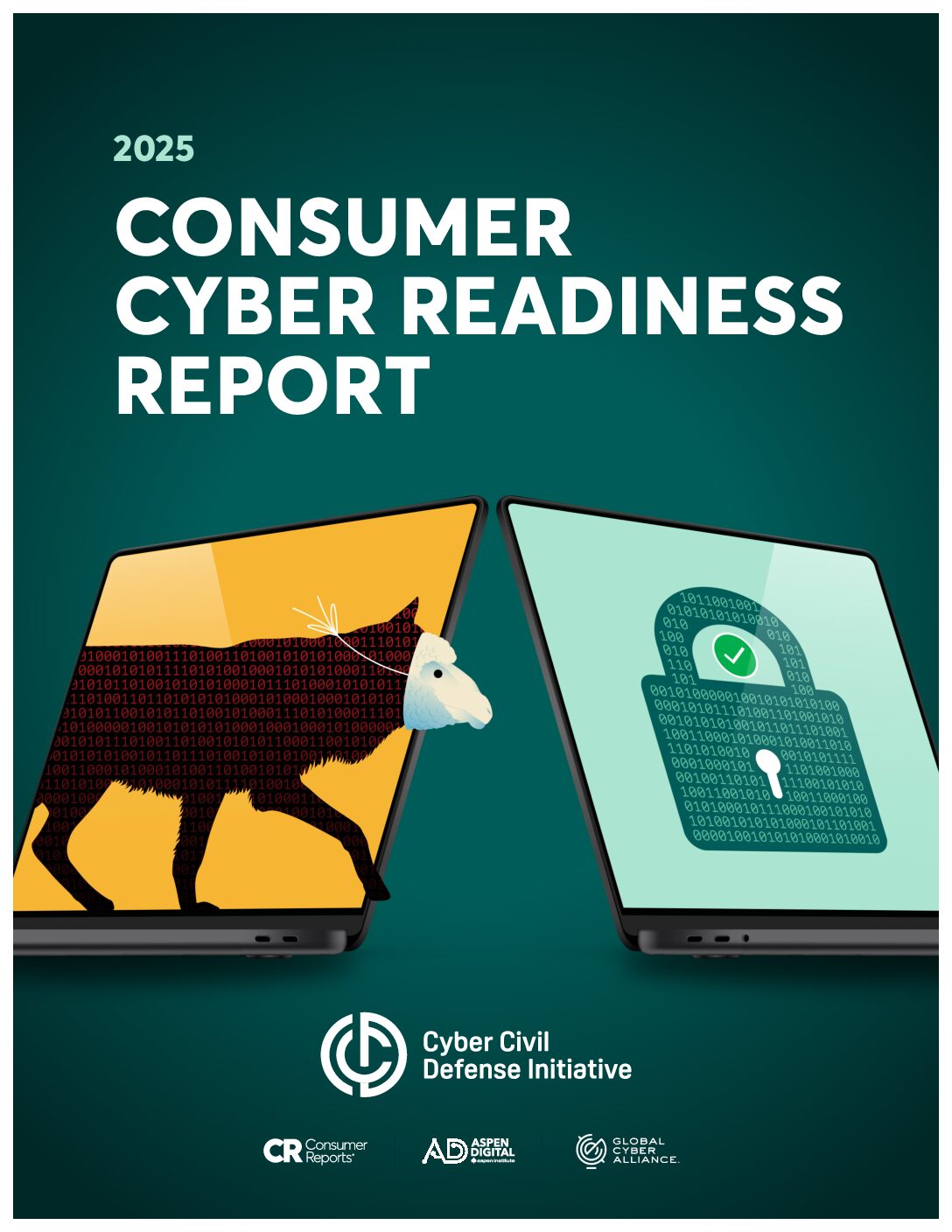
2025 Consumer Cyber Readiness Report
Marking the beginning of Cybersecurity Awareness Month, Consumer Reports, Aspen Digital, and the Global Cyber Alliance have released the fourth annual Consumer Cyber Readiness Report. The report examines American consumer attitudes on digital privacy and security and steps they are taking to protect themselves from potential threats.

GCA Internet Integrity Papers: Expanding IoT Honeypots to Include IPv6-Connected Devices
Investigates the possibility of including the IPv6 address space in honeypot operations to, among other things, stop malware at its source. We propose a way to extend ProxyPot, the Global Cyber Alliance’s proprietary honeypot technology, to detect attacks over SSH, Telnet, HTTP, and HTTPS, over both IPv4 and IPv6— a first of its kind.

Global Elections Security Report: April 2023
This report takes an in-depth look at what cybersecurity players are doing to protect the integrity of elections around the world, from fighting the spread of false information that might prevent voters from forming opinions based on accurate information to securing voter data and election results from manipulation attempts. This report offers ten recommendations to improve the cybersecurity of elections with a whole-of-society approach.
GCA Internet Integrity Papers: IoT Policy and Attack Report II
The second issue of the GCA Internet Integrity Papers series presents the results of the second phase of the IoT Policy and Attack research project, conducted jointly by the Global Cyber Alliance (GCA) and Microsoft. Based on real IoT attack data obtained from GCA’s AIDE platform and ProxyPot honeypot technology, the project focuses on providing factual evidence about the applicability and effectiveness of some of the most widespread policies, recommendations, and standards on IoT security. This report has analyzed the role that the IoT devices’ software stacks —and their known vulnerabilities— play as factors to drive targeted attacks.

UK ICO Regulatory Sandbox Final Report: Global Cyber Alliance
This report offers a summary of GCA’s participation in the Information Commissioner’s Office (ICO) Regulatory Sandbox. The ICO introduced the Regulatory Sandbox (‘Sandbox’) service to support organizations that are developing products or services that use personal data in innovative and safe ways and where such products or services deliver a potential public benefit.
GCA Internet Integrity Papers: IoT Policy and Attack Report
Based on data about real IoT attacks extracted from GCA’s AIDE platform and ProxyPot infrastructure, the project aims to provide factual evidence on the validity of the most widespread policies, recommendations, and standards on IoT security around the globe. The result of the research strongly suggests that policymakers are correct in emphasizing secured access when turning standards into policy. Strong passwords, vulnerability disclosure policies, and efficient patching should be guiding principles of any baseline strategy for IoT protection.
Measuring the Impact of DMARC's Part in Preventing Business Email Compromise
In just a few short years, GCA’s DMARC initiative resulted in more than 5,700 organizations across more than 180 countries adopting DMARC. This led to estimated financial benefits of more than $19 million USD in 2018 across a diverse array of industries and governments. Learn about the full economic benefits of GCA’s DMARC initiative in our impact report.
Measuring the Economic Value of DNS Security
When DNS is used as a security measure, aka DNS firewall, the benefits can be significant. Our research has shown that DNS firewalls could have mitigated one-third of the incidents we studied and could have prevented $10 billion in losses in those incidents. Download the report to learn more about the economic value of DNS security.

Common Good Cyber also includes a library of research and reports.
LATEST NEWS
One Small Step a Day | 31 Tips to Be Safer Online This October
New Study by Consumer Reports, Aspen Digitla, and Global Cyber Alliance reveals 9 in 10 Americans targeted by a cyberattack or digital scam attempt

Brian Cute on the Software Spotlight Podcast

Brian Cute on What Collective Cyber Action Actually Looks Like

Clear With Purpose | Does Clearing Your Cookies Actually Help?

New in Domain Trust: Badge Testing, Sponsorship Opportunities, and a Market Under Pressure
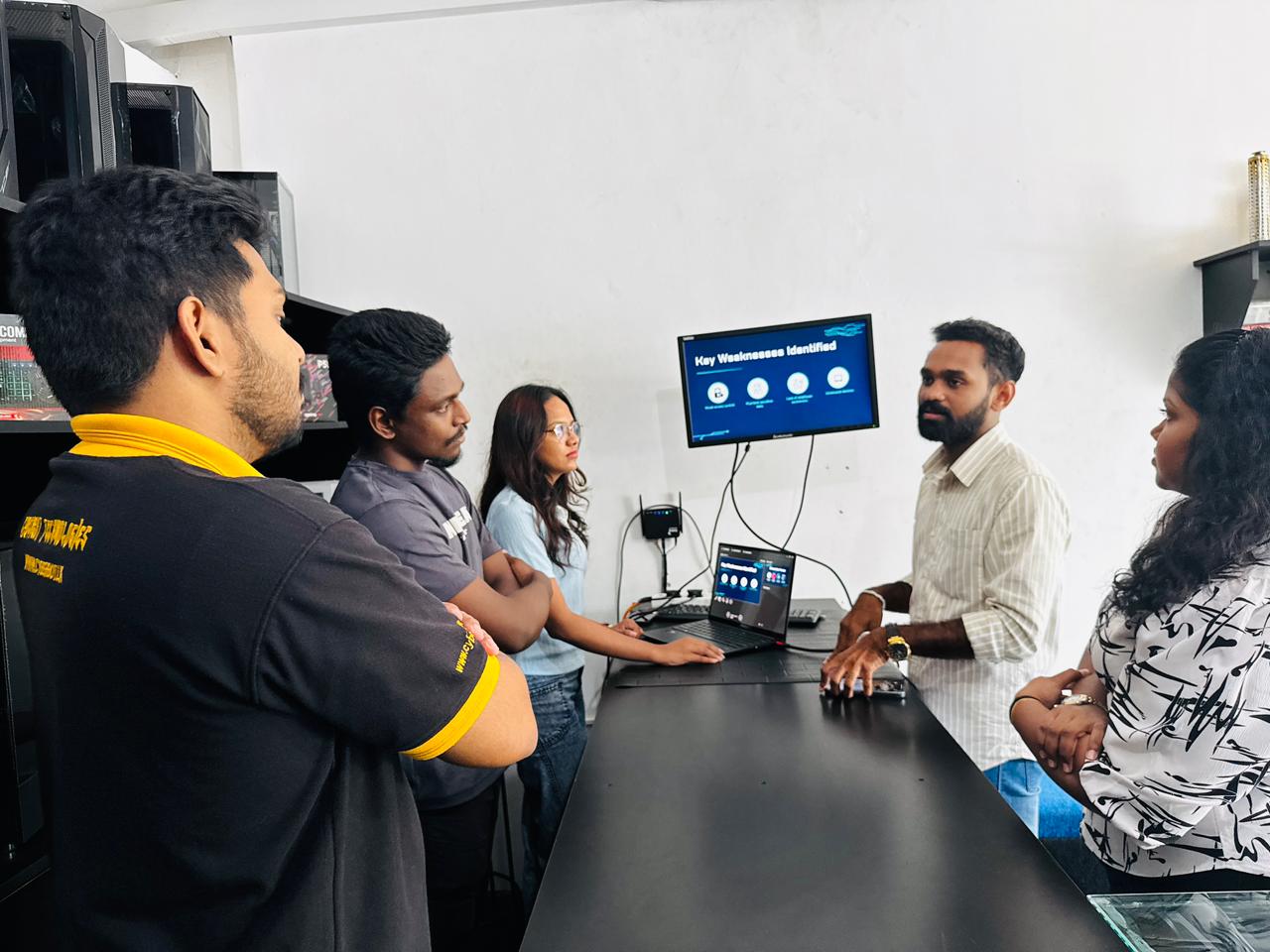
From Classroom to Community: Building Cyber Resilience through Sri Lanka’s Cyber Clinics

Charge With Care | How to Use Public USB Ports Safely

Strengthening Trust on the Internet: Protecting the Global Postal Sector from Email Fraud
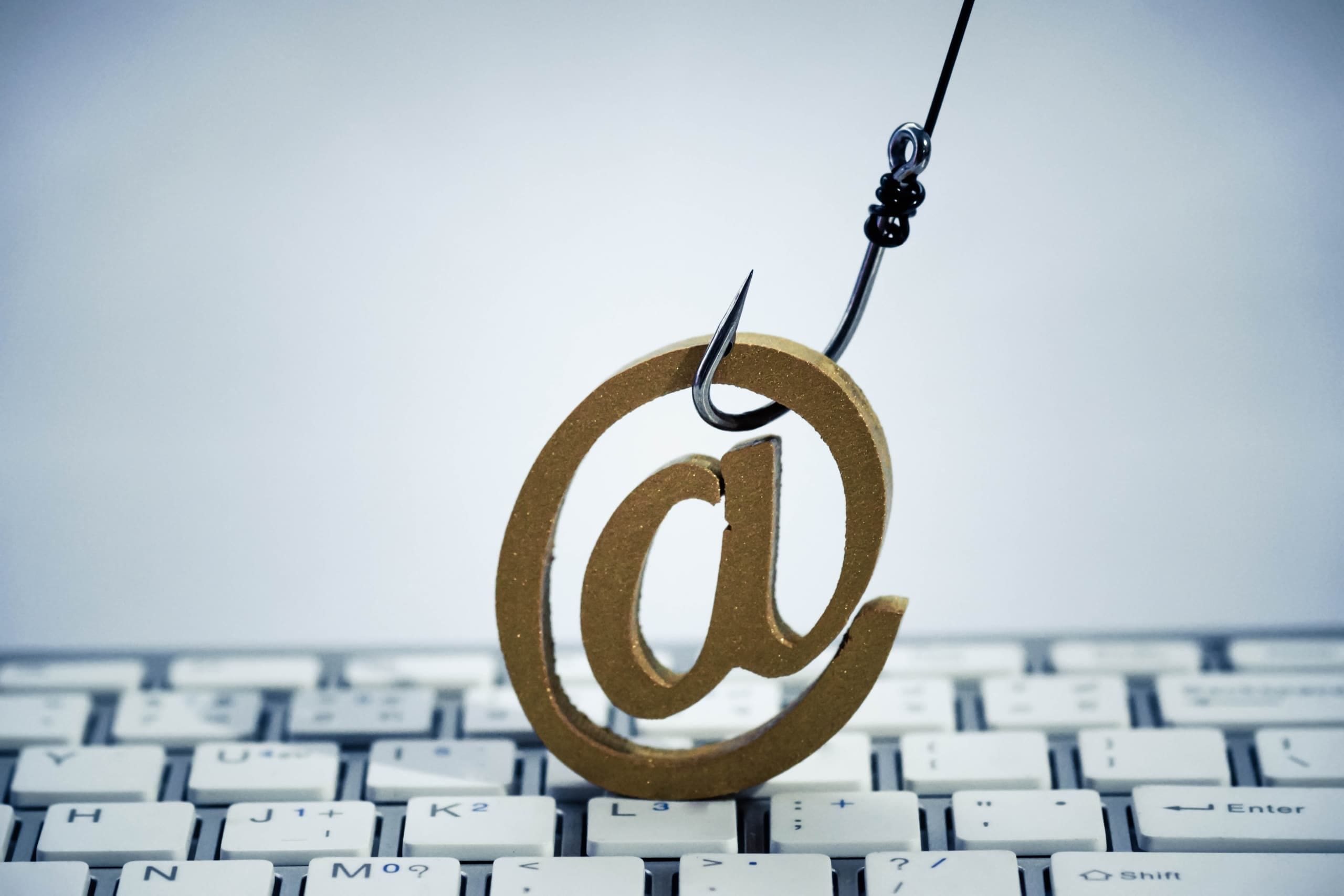
Inside a Fast-Moving Phishing Campaign Captured by AIDE

The Trust Crisis: How AI is Changing Cybersecurity. The Cybercrime Inflection Point

Connect With Context | How to Use Public Wi-Fi Safely

Cybersecurity Beyond Blocking: A Call for Collaboration

Pause Before You Pay | A Guide to Avoiding Money Transfer Scams

Internet Integrity Workshop III: Residential Proxies and Infected Infrastructure

Scan With a Plan | Protecting Yourself From QR Code Scams

Strengthening the Internet’s Foundations: Recent Progress Across MANRS, Domain Trust, and AIDE

New Report Highlights GCA’s Critical Role in Global Cybersecurity

Imagining the Domain Trust Badge in Action

The Invisible Layer: Governing Routing Security as a Supply Chain Risk

GCA at RIPE 92: Tackling Residential Proxy Abuse and Strengthening Internet Integrity

Small Businesses, Big Risks: Cybersecurity Starts Here

Introducing the OSPREY Consortium to Strengthen Protections for Public-Facing Professionals

Brian Cute on the Techsequences Podcast

Don’t Pack a Scam | How to Travel Smart in a Digital World

Cyberattacks on France Are Rising—Here’s What the AIDE Data Shows

AI Experience Podcast: The Coming Tsunami of AI-Powered Scams

Brian Cute Appointed President and Chief Executive Officer of the Global Cyber Alliance

GCA Endorses the Global Public-Private Partnership Framework against Fraud

AITech Park Interview: A Safer Internet in an AI-enabled World

From Vision to Fund: GCA Secures Grant to Lead Common Good Cyber

Interconnection Academy & GCA kick off partnership: Making the Internet safer through specialist training

Recapping the India AI Impact Summit: Turning AI Risks into Cybersecurity Opportunity

Introducing the 2025 Annual Report: Strengthening the Internet, Protecting People

Podcast: Cyber Resilience for Small Enterprises

Why Good Cyber Defense Rarely Stops Attackers

Too Perfect to Be Real | AI and Modern Romance Scams

Philip Reitinger Named “Ecosystem Champion” at the Cyber Policy Awards

Global Voices with Kitboga: “Be careful trusting what you see online, especially if someone is asking for money or your information.”

Turning Internet Security Data into Measurable Progress: Recapping the Internet Integrity Workshop II

Before the AI Cybercrime Wave

GCA Appoints Prof. H Sama Nwana as Chair of the Board, Reinforcing Its Mission to Secure the Internet for All

A 2-Part Discussion with Public Interest Registry on Mission-Driven Cybersecurity
Domain Trust Upgrades, Community Momentum, and What’s Ahead

Why Cyber Resilience Is Personal: Building Your Own Cyber Hygiene Kit

Five Cybersecurity Forces That Defined 2025 – And Will Shape 2026

New Report: Salt Typhoon Across the Internet

Building AI Tools That Matter: Inside the Student Experience at CMU Africa
Spotlight: Artificial Intelligence

Mission Under Digital Siege: Closing The Cybersecurity Gap

Giving Safely: What to Know Before You Donate

The AI-Scam Crisis: Why We Must Act Now

Global Voices: Ankush Johar, GCA Ambassador, “Resilience recovers; antifragility compounds.”

Training Tomorrow’s Defenders: Growing Cybersecurity Capacity in a World of Cheaper, Faster Attacks
Domain Trust Hits Two Major Milestones


Global Cyber Alliance Marks 10 Years of Impact, Appoints Brian Cute as Interim CEO to Lead in a Critical Moment for Cybersecurity

Don’t Forget Your Digital Sunscreen | A Guide to Safely Swimming in the AI Pool

Dark Pink APT Campaigns Through the Lens of AIDE Telemetry
AIDE Uncovers RedTail: Persistent Cryptomining with APT Tactics
Tracking Kimsuky: North Korean Espionage Operations in GCA’s AIDE

Cybersecurity is the Backbone of Democracy
AIDE Data on APT36: Regional Infrastructure Risks and Security Gaps

Cyber-Safety at College: Share These Tips with the Students in Your Life

From the Classroom to the Real World: GCA Interns’ Reflections on Building a Safer Internet

President and CEO Philip Reitinger Announces Retirement

Global Voices with Laura Baker, CyberWyoming Alliance: “[Cybersecurity] needs to be a dinner table topic.”

Why Young Adults Are Prime Targets for Scams — And What Your Organization Can Do About It
GCA announces USD $500K Contribution from Craig Newmark Philanthropies

Statement by GCA to the UN Open-Ended Working Group on ICT Security 11th Substantive Session

The Domain Trust Roadmap Moves Ahead

Global Voices with Ayleen Charlotte: “To scam survivors, I want to say clearly: this is not your fault, and you are not alone.”

Empowering Macedonia’s Agricultural Sector Representatives with Cybersecurity Resources

New Common Good Cyber Fund Launches to Strengthen Internet Security Globally

Addressing Unwanted Internet Traffic on the APNIC Ping Podcast

“Individuals, businesses, and governing entities alike often operate under the illusion that the Internet ‘just works’ … until it doesn’t.”

Seeing Isn’t Believing | Staying Safe During the Deepfake Revolution

Lawfare Daily: Phil Reitinger and Komal Bazaz Smith on Civil Society and Strengthening Internet Security

“We believe Common Good Cyber can be a vehicle to strengthen the nonprofit layer of the cybersecurity ecosystem.”

ISMG Interview with Kayle Giroud: “We are working to meet the critical demands in cyber space at the moment”

Cybersecurity as an International Developmental Imperative

Global Cyber Alliance Launches Internet Pollution Index to Combat Malicious Online Activity Around the World
Catching Flax Typhoon in the Honeypot: Footprints in AIDE

Spotlight: GCA’s Impact in Indonesia: A Virtuous Model of Cybersecurity Training for MSMEs

The Invisible War: Why Securing the Internet Is Everyone’s Responsibility

Global Cyber Alliance Amplifies Cybersecurity Innovation at RSA Conference 2025

Domain Trust Enters a New Era

Common Good Cyber Featured in the European Cybersecurity Journal

Five Things Every Business Needs to Know About Storing and Protecting Their Customers’ Information

The Digital Con Game | How Financial Fraudsters Are Stealing Fortunes Online

Common Good Cyber Event “Bridging the Gap” In the News

Defending the Defenders | The Urgent Need to Protect Civil Society from Cyber Threats

Global Voices with Alissa “Dr. Jay” Abdullah: “When we work together, we strengthen not only individual organizations but the entire digital ecosystem.”

Statement by the Global Cyber Alliance: OEWG ICTs, 9th Substantive Session, Dedicated Stakeholder Segment

GCA Collaborates with the International Chamber of Commerce Centre of Entrepreneurship to protect SMEs

Securing the Future: The Global Cyber Alliance’s 2024 Impacts and Achievements

MANRS Update: One Year Under GCA

Equipping the Next Generation of Cyber Defenders in Asia

Love at a Cost | How to Protect Your Heart and Wallet From Romance Scams

Leslie Daigle on the Modern Cyber Podcast

Cybersecurity Resolutions for the New Year | What Should Be on Your List?

GCA Welcomes William Pelgrin as New Board Chair and New Board Members Ian Dyson and Debora Plunkett

Phil Reitinger Calls for Greater International Consensus and Equity in Security in an Interview with ISMG

Stay Safe This Holiday Season While Shopping Online: Avoid Scams and Fraud

ACT Closes Its First Year with 3,500+ Cybersecurity Tools and Several New High-risk Communities

Global Cyber Alliance Unveils Top Five Cybersecurity Predictions for 2025

“Guided by principles of the common good, nonprofits champion ethical approaches to cybersecurity.”

Keeping the Internet Safe: The Global Cyber Alliance on the Chris Voss Show podcast

Wir feiern mehr als 2 Millionen Besucher der Cybersicherheitstoolkits von GCA

NIS2 Implementation: How Cyberwal by Digital Wallonia is Bolstering Cybersecurity for SMEs
Merayakan Lebih dari 2 Juta Pengunjung ke Toolkit Keamanan Siber GCA
Celebramos más de 2 millones de visitas a las cajas de herramientas de ciberseguridad de GCA

Holiday Deals, Not Holiday Steals | A Guide to Secure Online Holiday Shopping
Celebrating More Than 2 Million Visitors to GCA’s Cybersecurity Toolkits

Keeping Your Data on the Right Track | The Case for Strong Routing Security

The important thing about elections is the day after…

GCA Signs Open Letter Urging Next US Administration to Prioritize Cybersecurity

Philip Reitinger in Authority Magazine on “5 Things Every American Business Leader Should Do To Shield Themselves From A Cyberattack.”

Philip Reitinger, GCA President and CEO, selected for CTC Tech Leaders and Innovators Council

From Vulnerability to Resilience: Safeguarding APAC’s MSMEs Against Cyberattacks

John Cirocco, GCA’s New Ambassador in Australia

Are Consumers (Still) Not Prepared to Face the Barrage of Online Scams?

Komal Bazaz Smith in Authority Magazine’s Women Reshaping the Cybersecurity Industry

How to Stay Safe Shopping Online | From Cybersecurity Experts

GCA and Partners Announce “BEYOND125 Action Plan” to Improve and Protect the Digital Future

PuntoGal and GCA Present Tools and Resources for NGOs

How to Protect Your Privacy When Working or Studying Remotely

More than 2,500 Entrepreneurs and Small Businesses Trained Across Kenya Using the GCA Cybersecurity Toolkit

Common Good Cyber Initiative Receives Funding from UK Foreign, Commonwealth & Development Office (FCDO)

GCA Teams Up with BBB Institute to Expand Anti-Scam Resources

Global Voices: GCA Board Member Prof H Sama Nwana – “The security of the Internet is as strong as the weakest links in it.”

GCA Joins the U.S.-Kyushu Cybersecurity Partnership Initiative as Global Partner

“Partnerships are key to keep everybody up to date and mobilized for the Olympics.”

GCA Comments on Potential US Government Rules for Routing Security

GCA Brings CyberFlex to Different Audiences Through Webinars Around the Globe

ACT Launches the Threat Taming Tool Collection

New Research Explores How to Detect Attacks like Malware Over IPv6

Global Cyber Alliance lanza CyberFlex en colaboración con Amazon para ayudar a los adultos jóvenes a evitar estafas y delincuencia online
Global Cyber Alliance, avec le soutien d’Amazon, lance CyberFlex pour aider les jeunes adultes à éviter les escroqueries et la cybercriminalité
Global Cyber Alliance startet CyberFlex zur Unterstützung junger Erwachsener bei der Vermeidung von Betrug und Internetkriminalität mit Unterstützung von Amazon
A Global Cyber Alliance, com o apoio da Amazon, lança o CyberFlex para ajudar jovens adultos a evitar esquemas fraudulentos e cibercrime
Global Cyber Alliance (GCA), con il supporto di Amazon, lancia CyberFlex per aiutare i giovani a evitare le truffe e i crimini informatici
GCA, with Support from Amazon, Launches CyberFlex to Help Young Adults Avoid Scams and Cybercrime

This Election Year, Everyone’s Talking About AI – But Let’s Not Forget Basic Cyber Hygiene To Stay Safe

The US Government is Making Moves on Routing Security. So Should You.

GCA shares updates on Common Good Cyber and Actionable Cybersecurity Tools (ACT) at the RSA Conference in San Francisco

Europe’s largest Association of the Internet Industry, eco, Joins Forces with the Global Cyber Alliance for a Secure Internet

Sophie Thorpe, a GCA intern: “Everyone must develop and hone their cybersecurity skills to protect data and infrastructure.”

Tarun Ghulati: “We need proactive measures to detect, prevent, and respond to cyber attacks”

5 Reasons Regulating Border Gateway Protocol (BGP) Won’t Actually Help Improve Routing Security
Domain Trust and 2024: The Year of Domain Abuse Mitigation

HSC Labs and Global Cyber Alliance join efforts to strengthen cybersecurity awareness in Brazil

The Global Cyber Alliance and TechSoup Are Teaming Up

Fundació .cat Joins GCA as a Partner that Focuses on Building a Safer Internet Ecosystem in Catalan

Webinar with Galician journalists unveils insights into cybersecurity and the impact of media coverage

“At GCA, it feels like I’m playing a long game. We can solve problems facing the Internet that nobody else would solve.”

Sriya Sogal, a GCA Intern: “In today’s digital age, the most pressing concerns are cybersecurity related.”

Tracing Volt Typhoon: Insights from GCA’s AIDE Honey Farm

“5 Minutes With a Tech Exec” Featuring Leslie Daigle

“There is no bigger gap in cybersecurity than making sure that the entire effort to support the public good in cyber is funded.”

GCA Teams up with DIFC Academy to Empower Organisations with Actionable Tools and Strategies to Reduce Cyber Risk

Reflecting on 2023: A Year of Growth, Resilience, and Influence for GCA

“The global economy runs on SMBs, so their security is the most critical conversation one can have.”

GCA and Cyberwal by Digital Wallonia Join Forces to Strengthen Cybersecurity for SMEs

Towela Nyirenda-Jere: “At GC3B we discussed the challenges of securing different types of infrastructure – stars, clouds, and deep seas.”

Amtega, la Agencia para la Modernización Tecnológica de Galicia, se une a GCA
Amtega, Galicia’s Agency for Digital Transformation, Joins the Global Cyber Alliance

Ernest Opare: “Cyberspace is a vital area that demands attention and investment.”

GCA’ Belgian Board Member Troels Ørting Awarded Person of the Year

Osama Manzar: “It is important to devise empathetic policies to avoid digital exclusions.”

Unveiling the Dynamics of Cyber Threats: Insights from a Global Honeyfarm

Philip Reitinger: “Cybersecurity is a fundamental human right.”

GCA Announces Four New Appointments for its Board of Directors

Interview with Finn Kleckner, a GCA intern: “I view the Internet as one of the most important public goods of our time”
Cristian Munteanu (Max Planck): “Notifying operators and providing solid data is a great way to improve Internet security.”
Dampak GCA di Indonesia: Sebuah model pelatihan keamanan siber yang baik untuk UMKM.
GCA’s Impact in Indonesia: A Virtuous Model of Cybersecurity Training for MSMEs

Nanjira Sambuli: “There is cybersecurity talent and innovation on the African continent.”

GCA Travels to Ghana to Join the International Community in Discussing Cyber Capacity-Building at Scale

GCA Celebrates Major Awards for Strategic Advisor Fiona Asonga

Towards GC3B: Models of Cyber Capacity Building in West Africa

Research by GCA and Amazon Confirms Susceptibility of Young Adults with Scams Online

GCA Applauds New Zealand’s Recognition of Its Ambassador Tony Krzyzewski

La ciberseguridad, aliada de la digitalización y el crecimiento de las pymes latinoamericanas
Cybersecurity, an Ally of Digitization and Growth of Latin American SMEs

GCA and SCARS Partner with Special Focus on Awareness and Protection of Relationship-related Scam Victims

Achieving Greater Heights for MANRS

GCA Launches a User-Friendly Cybersecurity Tools Wiki

Protecting Journalists in High Cyber Risk
GCA and the National Democratic Institute Join Efforts to Boost Election Security

Cyber Hygiene is Essential to Fighting Ransomware According to Tidal Cyber and GCA Analysis

HIKS Enters a Strategic Partnership with GCA to Enhance the Croatian Cybersecurity Ecosystem

BreachAware, New Partner for GCA’s Domain Trust Community and Intelligence Platform

New Study by CR, Aspen Digital, and GCA Reveals Consumer Attitudes Towards Cybersecurity and Online Privacy

Global Anti-Scam Summit 2023: Vemo-nos em Lisboa!

GCA Granted Special Consultative Status by United Nations Economic and Social Council

Empowering Youth to Participate in Democracy Safely

GCA and ICT Academy Partner to Track Data on IoT Security in the Balkans

Safeguarding Ghanaian Cyberspace: The Power of Multi-Factor Authentication and Strong Passwords

Online Cyber Awareness Survey for Young Adults

GCA and Cyber Security Canada to Join Forces Working Together to Reinforce Canada’s Digital Infrastructure

Collective Action is Critical to Raising Cybersecurity Awareness and Ensuring Safety

GCA and auDA Partner to Contribute to Improve the Australian Digital Ecosystem

GCA and Amazon Team Up to Strengthen Cyber Education and Reduce Cyber Risks with a Focus on Digital Natives

ELLIO Technology Joins Forces with GCA to Reduce Alert Fatigue and Drive Automation in Cybersecurity

Cybermalveillance.gouv.fr et GCA mettent en commun des ressources pour intensifier les bonnes pratiques DNS
Cybermalveillance.gouv.fr and GCA pool resources to accelerate best practices in DNS and cybersecurity

GCA Releases its Cybersecurity Toolkit for Small Business in Portuguese

A GCA lança o Cybersecurity Toolkit para Pequenas Empresas em português

Expanding Cyber Skills Globally: A Complex Challenge that Requires a Whole-of-Society Approach

Josu Waliño, CEO of PUNTUEUS: “Trust has always been the central axis of our work.”

Global Cyber Alliance Appoints 26 Strategic Advisors and 12 Ambassadors Adding to Its Current Network

The CyberPeace Institute and GCA Partner to Advance Digital Safety and Support Vulnerable Communities

Actionable Cybersecurity Tools (ACT): Empowering Underserved Communities with Effective Cybersecurity Solutions

Philip Reitinger: “We all know what we have to do in cybersecurity.”

GCA’s Cybersecurity Toolkit Now Available Through the Consortium of Cybersecurity Clinics

The Need for a More Holistic and Public Interest Approach to Digital Development
AfP Partners with GCA to Strengthen Digital Peace-building

Global Cyber Alliance’s Impact in Indonesia with Support from Mastercard Center for Inclusive Growth and Mercy Corps Indonesia
Dampak Global Cyber Alliance di Indonesia dengan Dukungan dari Mastercard Center for Inclusive Growth dan Mercy Corps Indonesia
KnowBe4 and GCA partner to promote awareness and adoption of cybersecurity solutions
Catalonia’s Cybersecurity Agency Joins GCA

GCA and Partners Present a Global Elections Security Report

Carlos Seisdedos, nuevo embajador de GCA en España y Latinoamérica
Carlos Seisdedos, GCA’s New Ambassador in Spain and Latin America

Global 21st Century Icon Awards Gala Dinner in London

“The health of the Internet is entirely dependent on having engaged technical operations communities”

New GCA Appointments for Strategy and Development, Communications, and Partnerships

Komal Bazaz Smith Joins GCA as Chief Business Officer

Introducing the Cybersecurity Tools Navigation Project
Virgin Money Partners with the Global Cyber Alliance to Offer Free Cyber Security Toolkit for Business Customers

A New Year for the Internet Integrity Program: an Interview with Leslie Daigle

GCA’s Overview of 2022 and Goals for 2023: an Interview with Phil Reitinger
GCA Announces Heli Tiirmaa-Klaar as New Chair; Cyrus Vance, Jr. to Join Board of Directors

A Safer Industrial IoT for Latin America
Hacia un IoT industrial más seguro para América Latina

PuntoGal Makes the GCA Cybersecurity Toolkit Accessible for Galician Small Businesses

Domain Trust Partner Focus: an Interview with Jorij Abraham (ScamAdviser)
Celebrating Domain Trust through our Partners
Global Cyber Alliance Extends Use of its Cybersecurity Toolkits Under the UK Government Digital Access Programme
We All Need Better MANRS
DNS Abuse— a Domain Trust-Based Appetizer

Ransomware Task Force Releases Blueprint for Ransomware Defense
Introducing the Domain Trust Community
Unwanted Traffic: When Does ‘Normal Bad’ Become ‘Bad Bad’?
Global Cyber Alliance Partners with the Indiana Economic Development Corporation to Help Protect Indiana Small Businesses from Cyber Attack
GCA CEO Phil Reitinger on Cyber Civil Defense

The Global Cyber Alliance and TikTok Partner to Make Cybersecurity More Approachable and Actionable
New International Partnership Helping Australian Small Businesses Stay Cyber Safe

See What’s New on the Cybersecurity Toolkit for Mission-Based Organizations
Routing Security Survey Report: Findings V
Routing Security Survey Report: Findings IV
Routing Security Survey Report: Findings III
Routing Security Survey Report: Findings II

Global Cyber Alliance Receives $7.5M Grant from Craig Newmark Philanthropies to Lead Cybersecurity Solutions Initiative
Nine New Members Join Nonprofit Cyber Coalition
Routing Security Survey Report: Findings Release I

Craig Newmark Philanthropies Pledges $50 Million to Cyber Civil Defense

Can closing the cybersecurity skills gap change the world?

GCA Joins Attack Flow, a New Initiative Around the MITRE ATT&CK® Framework
From IoT Security to Internet Integrity, an Interview with Leslie Daigle

GCA Joins the Sightings Ecosystem Project as a Research Partner

Cybersecurity Nonprofits Form “Nonprofit Cyber” Coalition

Excellent News from the Domain Trust Community
GCA Joins a Global Statement on IoT Security Led by the World Economic Forum

GCA and New York Metro InfraGard Partnership

GCA Wins Second NCSC Award

Introducing the Cybersecurity Toolkit for Mission-Based Organizations
GCA Announces Appointment of Brian Cute to Executive Team
NSA Will Strengthen Cybersecurity of Defense, Intel Systems
Cybersecurity Reducing Carbon Footprints
Protecting Donor Impact by Funding Cybersecurity

PuntoGal Joins GCA to Strengthen its Commitment with Cybersecurity in the Digital Ecosystem of Galicia
PuntoGal súmase á Global Cyber Alliance para reforzar a súa aposta pola ciberseguridade no ecosistema dixital galego
Global Cyber Alliance Cybersecurity Toolkits Adopted for Use Under the UK Government Digital Access Programme

BeNeLux IT Security Conference
Revisiting the Cybercrime Prevention Principles for Internet Service Providers

Cybersecurity in Ghana: Vigilance First

Cyber Hygiene Workshop in Liberia to Support Women Owned Businesses

GCA’s IoT Policy and Attack Report Featured Again
Cybersecurity Awareness: A Perpetual Requirement

Charity Fraud Awareness Week: Websites, Donors and Data

An Appetizer for the 2nd Global Online Scam Summit

Cybersecurity Symposium for Smart Cities 2021
The Importance of IoT Policy

No One is Immune From Cyber Threats | CIS Quarterly
GCA’s IoT Work Makes It to the 2021 Microsoft Digital Defense Report
Singapore to Leverage the Global Cyber Alliance’s IoT Threat Analytics Platform

Un año acercando a la mujer al mundo de la ciberseguridad
One Year Bringing Women Closer to Cybersecurity

Dedicated number for victims of fraud launched

Collaboration Tools are Vulnerable: What Enterprises Need to Know

PuntuEUSek Global Cyber Alliancekin bat egin du euskal ekosistema digitalean zibersegurtasuna indartzeko
PuntuEUS Joins GCA to Boost Cybersecurity in the Basque Digital Ecosystem
State of U.S. Cybersecurity Posture
The Jakarta Post: In conversation with Mastercard on how they’re driving digital financial inclusion
Global Cyber Alliance Expands Board of Directors

Bfore.AI’s PreCrime Threat Intelligence Takes Domain Trust to a New Dimension

A Career of Selfless Service

GCA Welcomes Craig Newmark Journalist Scholar

GCA Welcomes Craig Newmark Veteran Scholar

NYC’s cybersecurity defense center showcases necessity for diverse hiring
Leslie Daigle Visits ‘The Hedge’ to Talk about IP Addresses Acting Badly
Cyberresilience: Your Data Insurance Policy
Biden Calls for Critical Infrastructure Cybersecurity Standards

Thoughts From RSAC, Part II
Thoughts from RSAC, Part I
The Women4Cyber Foundation

Can the US Curb China’s Cyber Ambitions?
How Secure are Smart Consumer Goods? AIDE Has the Answers

Global Cyber Alliance Announces Partnership with Report for America to Improve Digital Security for Journalists

Global Cyber Alliance Joins Design 4 Democracy (D4D) Coalition
Equal Opportunities in Cybersecurity in Europe

Black Girls in Cyber | Cybersecurity Careers: How to Get Started

Evolving International Elections Security Framework

Global Cyber Alliance and PEN America Partner to Protect Journalists and Media Organizations
The Cyberlaw Podcast: Does Good Ransomware Policy Have To Be Boring?

Cybersecurity and Trust, Cornerstones of the EU’s Digital Transformation
La cybersécurité et la confiance, pierres angulaires de la transformation numérique de l’UE

The Best Defense Against Ransomware is a Good Offense
SolarWinds, Ransomware and the State of the Industry

Global Cyber Alliance and Free Press Unlimited Join Forces to Bring Free Training and Tools to Journalists
Experts suggest French insurer AXA’s plan to shun ransomware payouts will set a precedent

The Snooze Button

GCA Announces Partnership with Approved Press Regulator IMPRESS
Executive Protection in the Cloud: Why it Matters More Than Ever

Domain Trust, One of the Highlights of EURid’s Latest Quarterly Report
Global Cyber Alliance Bolsters Cyber Defences to Safeguard European Journalists

Combating Ransomware: A Call To Action
Ransomware Task Force (RTF) Releases Comprehensive Framework to Combat Ransomware, Members from Global Cyber Alliance Contribute to Critical

GCA Announces Partnership with Black Girls in Cyber

In Conversation With Craig Newmark
Craig Newmark Philanthropies Renews Support

Global Cyber Alliance and IFES Announce Partnership

Why DMARC is Worth it for Small Businesses

DMARC Reports: Embrace Them! (Part III)

Global Meets Local: Discovering the South West Cyber Security Cluster
DMARC Reports: Embrace Them! (Part II)
DMARC Reports: Embrace Them! (Part I)

GCA Announces Partnership with Institute for Nonprofit News

Cyber Transformations: The Conversation Continues

Does Einstein need a post-SolarWinds makeover?

EURid and the Global Cyber Alliance Join Forces for the Domain Trust Project
GCA Partners with Mastercard and Mercy Corps Indonesia to Make Cybersecurity Accessible for Indonesian Small Businesses

Serianu Partners With the Global Cyber Alliance to Reduce Cost of Cybersecurity
The LCCPMA Partners With GCA to Deploy Cybersecurity Toolkit for Government Agencies to Strengthen Cyber Defenses
GCA Engagement for Sustainable Digitalization in Africa

Cybersecurity is a Team Sport

GCA December Newsletter


Welcome to Mr. Saad Alhowaymel, GCA’s New Ambassador in Saudi Arabia

France’s Gendarmerie Nationale Partners With GCA

Wrenching Winds Wrecking Worried Worlds

GCA Partner R Street Institute Introduces ‘Making Space’ Pledge

Internet Society Announces Partnership with the Global Cyber Alliance

Violence, Misogyny, and Journalism: The Role of Cybersecurity in Protecting Truth Tellers

GCA Spotlight: Scamadviser

GCA November Newsletter
Cybersecurity Skates Into Its Hockey Stick Moment
Routing Security: Why We All Care That Network Operators Up Their Game

Department of Financial Services Partners With Global Cyber Alliance To Help Small Businesses Improve Cybersecurity

Three Ways to Leverage Emotional Intelligence and Minimize Cyber Risk Through Human Vulnerability

Journalism Toolkit Unveiled at Online News Association Conference Helps Address 2020 Woes

GCA Virtual Fireside Chat: Be Cyber Secure
The GCA Women of Cybersecurity

GCA October Newsletter

GCA Virtual Fireside Chat: Secure Your Digital World

Second Defend & Deliver DMARC Bootcamp of 2020 Comes to a Close

GCA Proud to Be 2020 a TECA Awards Finalist

Shoring Bored Boards Boring Cybersecurity Response
Global Cyber Alliance Provides Cybersecurity Toolkit for Journalists

GCA Virtual Fireside Chat: Secure Your Business

Inconceivable! NYC Cyber Command on Cyber Resilience

Time for More Than Mere Awareness

Layers of Defense: DANE and DMARC
Layers of Defense: DANE and DMARC

GCA Virtual Fireside Chat: Cybersecurity for All

GCA Toolkit: Addressing Cybersecurity for Small Businesses in Four Languages

Fundamental Rights: Cybersecurity Concerns

GCA September Newsletter

CISA Cyber Summit: Toolkit for Small Business
GCA Updates Cybersecurity Toolkit for Small Business

GCA Director Operations, Shehzad Mirza, Named 2020 FISSEA Cybersecurity Awareness and Training Innovator

Five Years of Action. Five Years of Impact.


GCA Lights Up London’s BT Tower

A Student Account of Their CyberFirst Summer Placement with GCA

GCA Public Relations Request for Proposals | Europe

Phishing: A Global Pandemic
August Newsletter

Balancing Riot Gear and the New Media Frontier

Canada Demonstrates Cybersecurity Leadership

Email Safety in New Zealand: A Comprehensive Look
Email Safety in New Zealand: A Comprehensive Look

Law Enforcement 2.0

Build (Bake) Security Into Your Culture

Microsoft’s Digital Crimes Unit (DCU) Provides Insight on Fighting Cybercrime

GCA Board Member Shawn Henry Talks 2020 Election Security with NPR’s Miles Parks

GCA Welcomes Craig Newmark Scholar, Julian Hayda

GCA is Recipient of National Cyber Security Centre’s SME Award

Indian Threat Landscape and How Organizations Can Secure Themselves
GCA Brings Together Election and Security Experts to Provide Insight and Resources for 2020 Elections

Focus on the Fundamentals

SparkPost | Q&A with Alwin de Bruin

June 2020 Newsletter

First Defend & Deliver DMARC Bootcamp of 2020 Comes to an End

ICANN Signs Memorandum of Understanding with the Global Cyber Alliance

Have a Backup Plan

GCA Welcomes Anna Hardy!

Fire Hydrants in the Forest – Business Leadership in Cybersecurity

Cyber Hygiene, Collaboration, and Preparedness: Keys to Resilience for a Healthcare Under Threat

When Cyber Life Imitates Art | An Interview with Peter W. Singer

Interview With Philip Reitinger | Voice of America

Back It Up, and Check It!

US Election Security | Voice of America

May 2020 Newsletter
GCA Welcomes Two New Ambassadors

Just Patch It: Update to Avoid Heartache

New Additions to Our Small Business and Elections Toolkits

Conversation With Philip Reitinger | OODA Loop

Tech Volunteers Assist Small Businesses Amid COVID-19 Crisis

April 2020 Newsletter

Oh Canada!…and Denmark! | More Progress for Global DMARC Implementation

Philip Reitinger on Cyber Risks and Working From Home

GCA Welcomes Its First Craig Newmark Scholar

Andy Bates on Working From Home | Information Security Media Group

Why Coronavirus Scammers Can Send Fake Emails From Real Domains
Swiss Version of GCA’s Cybersecurity Toolkit Supplements New Edition of the Cybersecurity Quick Check for SME

Die Schweizer Version des GCA Cybersecurity Toolkits Ergänzt die Neuauflage des Cybersecurity-Schnelltests für KMU

La Version Suisse de la Boîte à Outils de Cybersécurité GCA Complète la Nouvelle Version du Test Rapide de Cybersécurité pour PME

¿Teletrabajo? ¡Ojo al parche!

Fernarbeit? Schutz durch Patching

Télétravail ? Patches contre les pirates !

Cyber Hygiene and Elections: Core Components of Responsible Partnership | CIS Quarterly

Working From Home? Sign In Securely

Seven Common Mistakes People Make With DMARC
Coalition of Nonprofits Join Together to Help Businesses Secure Remote Workforce

Working From Home? Patch to Protect

Dispelling the Myths About DMARC
Securing Your Business While Working From Home

Three Simple Tips for Working From Home | A Message From Our CEO

March 2020 Newsletter

Phil Reitinger Provides Tips for Working from Home

Philip Reitinger on Working Remotely | The Washington Post

Everything Marketers Need to Know About BIMI: The Latest Email Standard

GCA Collaborates on Cybersecurity Learning Hub
Interview with Phil Reitinger | Information Security Media Group

GCA: Empowering the Posse

Think Your Startup is too Small to be Hacked? Think Again.

Global Cyber Alliance Receives Editor’s Choice Award from SC Media

Cyber Hygiene – Lessons from the Global Health Community

GCA at #RSAC2020!

The Global Cyber Alliance | An Organization All About Scale
GCA Announces Appointment of Leslie Daigle and Michael Tanji to Executive Team

Looking Back: GCA Cybersecurity Toolkit for Small Business Turns One

Un Regard en Arrière : Premier Anniversaire de la Boîte à Outils de Cybersécurité Pour Petites Entreprises de la GCA

A Successful Landing in the French Market | Un Atterrissage Réussi Sur le Marché Français

Back to Basics – An Action Plan for 2020 | CIS Quarterly

Europa Calling | Privacy in the Era of Digital, Connected, and Autonomous Cars

Responsible Partnerships to #Protect2020 and Beyond
La Global Cyber Alliance (GCA) signe un partenariat avec le dispositif Cybermalveillance.gouv.fr et étend son empreinte mondiale
GCA Furthers Its Global Collaboration by Partnering with Cybermalveillance.gouv.fr

Building a Solid Data Protection Plan for 2020

Davos Paper: A Cleaner Internet

Cyber 9/12: Building a Safer and More Diverse Future for Our Interconnected World

Be Smart About Your Safety and Security with Internet-Enabled Products and Toys

Op-ed: Facing the Primary Attack on Democracy
Global Cyber Alliance Launches Cybersecurity Development Platform for Internet of Things (IoT) Devices
Global Cyber Alliance and Center for Internet Security Launch Free Toolkit to Help States and Local Election Offices Bolster Cybersecurity

Phishing Prevention: The Art of Getting it Wrong

The Computer Repair Podcast #322 – DMARC
Financial Firms Are Prime Email Phishing Targets, Valimail Study Finds
Brand Impersonation Attacks on Law Firms Harm Clients and Cost Millions
Why Email Authentication Matters to Local Governments
Global Cyber Alliance and Mastercard Launch Cybersecurity Toolkit to Enable Small Businesses to Stay Protected

Agari Research: One in Five Advanced Email Attacks Sent from Compromised Accounts
A DMARC Success Story!
DMARC: Tips for Planning and Implementation
DMARC Implementation Guides
Video Tutorial: I have SPF. Do I really need DMARC?
Is DMARC for Us?
IBM, Packet Clearing House and Global Cyber Alliance Collaborate to Protect Businesses and Consumers from Internet Threats
DMARC Reporting:
Key Benefits and Takeaways
DMARC and Office 365 –
Yes, You Must!
What is ARC? Does it Replace DMARC?
Implement DMARC For All Your Domains
SPF and DKIM Are NOT Enough: DMARC Is a Must!
DMARC is Implemented! Now What?

My cloud email provider supports DMARC. Do we still need to implement it?
The Global Cyber Alliance Appoints Philip Reitinger as its First President
Manhattan’s DA Office, City of London Police, Center for Internet Security announce formation of Global Cyber Alliance
